Rat and mouse article
The Best Traps for Rats and Mice in an Akron House
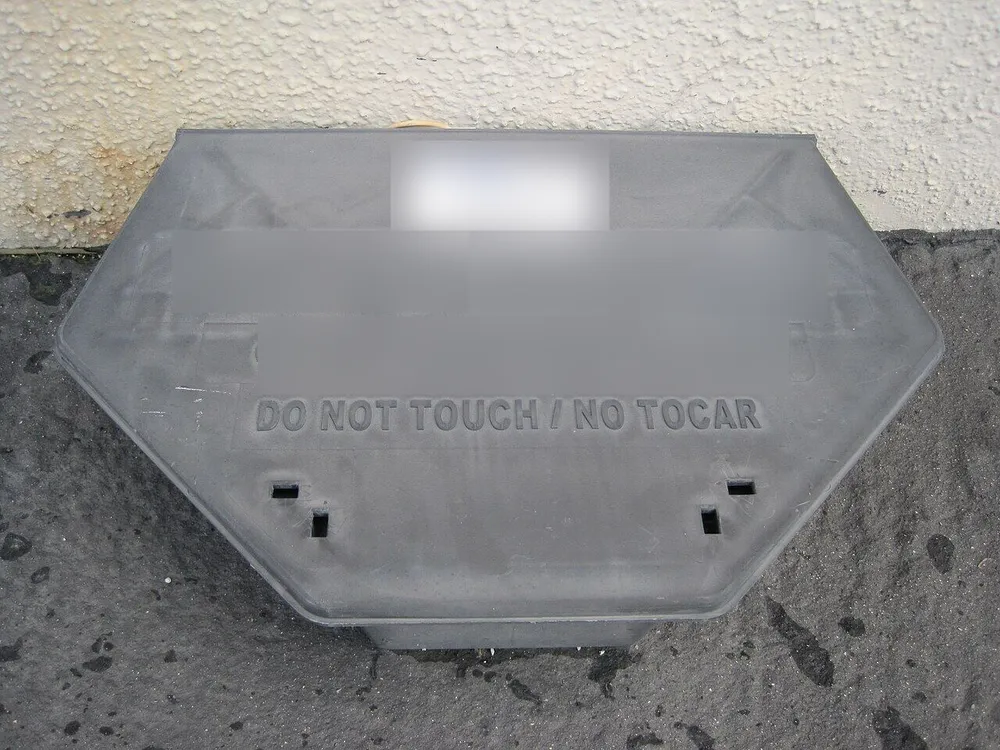
For most Akron homes, plain snap traps are the best choice for mice and rats: cheap, quick, and you can see what you caught. Electronic traps are a cleaner option if you don't want to handle a snap trap. Live traps and glue boards have real drawbacks. Bait stations belong outside, locked, and are a different tool from traps.
Placement matters more than brand. A cheap trap in the right spot beats an expensive one in the middle of the floor.
Snap traps
Snap traps kill quickly and cost a few dollars each. HomeGuide lists DIY snap traps at about $1.50 to $3. Use mouse-size traps for mice and the larger rat-size traps for rats, since a mouse trap will only injure a rat.
Set them perpendicular to the wall with the trigger end touching it, because mice and rats run along walls. Use a small dab of peanut butter. Put several out at once along the runs where you're finding droppings, a few feet apart. Keep them where kids and pets can't reach, or inside a box with mouse-sized holes at each end.
Electronic traps
Electronic traps use a battery-powered shock inside an enclosed box. You don't see or touch the mouse, and many have an indicator light. HomeGuide lists them at roughly $30 to $75 each. They work well in kitchens and finished spaces, but they're pricey to use in large numbers and the batteries need watching.
Live traps
Catch-and-release traps sound kind, but the mouse has to go somewhere. Released close to home, it comes right back. Released far away, it usually doesn't survive long in unfamiliar territory, and moving rodents onto someone else's property isn't a favor to anyone. Check live traps at least daily. A mouse left in one for days will die anyway.
Glue boards
Glue boards catch mice but don't kill them quickly, and the stuck animal can suffer for a long time. They also catch pets, birds and the occasional child's hand. With rats they're worse: a stuck rat thrashes and bites. Most homeowners are better off with snap or electronic traps.
Not sure if it's rats or mice? You don't have to know. Describe what you're seeing.
Call (330) 300-0969Bait stations are a different tool
A bait station holds poison bait, not a trap. EPA rules say consumer rodenticide products must use block or paste bait in a bait station, and professional bait has to be in tamper-resistant stations wherever kids under six, pets or wildlife could reach it and for all outdoor above-ground use.
Inside the house, bait has a big downside: a poisoned mouse often dies in a wall and smells for weeks. Most technicians use traps inside and locked stations outside along the foundation and fence. If a provider wants to use bait indoors, ask exactly where and why.
Where to set traps in an Akron house
Think about where the mice travel, not where you saw one:
- Along the top of the basement wall at the sill line, especially near pipes and the furnace
- Under the kitchen sink where pipes come through
- Behind the stove and refrigerator
- In the garage along the back wall and near stored seed or pet food
- In the attic along the eaves if you've found droppings there
- For rats, along the garage walls and fence line, inside covered boxes
Common trapping mistakes
Most failed trapping comes down to a handful of habits:
- Too few traps. One or two in the middle of the floor catch little. Set several along each run.
- Too much bait. A big glob lets a mouse eat without tripping the trigger.
- Traps set parallel to the wall instead of perpendicular, with the trigger facing out
- Handling traps bare-handed, which leaves a scent some rats avoid
- Moving traps every day. Give a spot a few nights before you move it.
- Setting rat traps right away. Leave them baited but unset for a few days so rats get used to them.
Not sure if it's rats or mice? You don't have to know. Describe what you're seeing.
Call (330) 300-0969Traps in the garage and outside
Garages are where a lot of Akron rodent trouble starts, especially detached garages with cracked slabs. Set traps along the back and side walls, near stored seed and pet food, and inside covered boxes if pets or kids use the garage. Outside, never leave an open snap trap where a dog, cat or bird can get to it. Put it inside a tamper-resistant station or a box with small openings at each end. Check outdoor traps daily and reset them after rain or snow.
Traps alone won't finish it
If you're still catching mice after two weeks, there's an open gap letting new ones in. That's when sealing the house matters more than adding traps. For dead mice in traps, the CDC says to wear gloves, spray the mouse and trap with disinfectant, double-bag the mouse and put it in a covered trash can. A snap trap can be reused after soaking it in disinfectant for five minutes.
If trapping isn't making a dent, mouse control and rat control explain what a full job adds.
Not sure if it's rats or mice? You don't have to know. Describe what you're seeing.
Call (330) 300-0969Common questions
What's the best bait for mouse traps?
A small dab of peanut butter works well. Too much lets the mouse lick it off without setting the trap.
How many traps should I set?
More than you think. Several traps along each run where you find droppings, a few feet apart, catch more than one or two in the middle of the room.
Should I use rat traps for mice?
Mouse-size traps work better on mice. Use rat-size traps for rats, since a mouse trap will often just injure one.
Can I reuse a snap trap?
Yes. The CDC says to soak the trap with the rodent in disinfectant for five minutes while wearing gloves, then remove the rodent, rinse and dry the trap.
Are bait stations safe with pets?
Tamper-resistant stations are designed to keep bait away from kids and dogs, but a pet can still eat a poisoned rodent. Keep stations outside, locked and out of reach.