Rat Burrow Treatment in Akron Yards
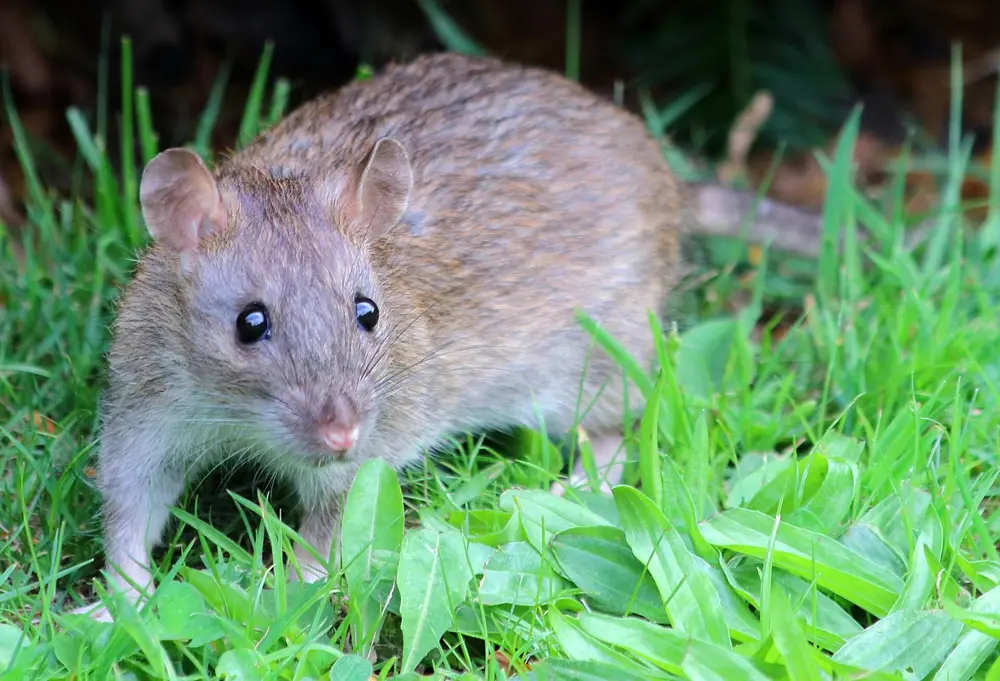
Norway rats live in burrows. In Akron those burrows show up as round holes two to four inches across along garage slabs, under concrete steps, beside fence posts, under sheds and in creek banks. Treating the burrows is how you deal with the colony itself, instead of trapping one rat at a time inside.
A technician finds which holes are active, treats them, and then closes them so they can't be reused. The work is mostly outside, and it pairs with sealing the house and garage.
Signs the burrows are active
Old holes and new ones look alike at first glance. Active ones usually have some of these:
- Smooth, packed edges with no cobwebs or leaves across the opening
- Fresh dirt fanned out in front of the hole
- Worn paths through the grass connecting holes, the fence and the garage
- Droppings near the openings
- Gnawing on the bottom of a garage door or shed nearby
What a thorough burrow job includes, step by step
First the technician maps the burrows and the paths between them. A common trick is to loosely plug each hole with soil or crumpled paper and check the next day. Holes that are reopened are active.
Then treatment. Federal rules under the EPA allow outdoor burrow baiting only with pelleted bait placed at least six inches down an active rat burrow, and professional bait above ground outdoors has to go in tamper-resistant stations. Many technicians use traps and locked stations along the runways as well. Ask exactly what will be used and where, especially with pets or kids in the yard.
Once activity stops, the burrows get collapsed and filled, and the weak spots get hardened. That often means an L-shaped skirt of hardware cloth buried along a shed or garage edge, concrete patch under a cracked slab, and a new door seal. Follow-up visits check for reopened holes.
Not sure if it's rats or mice? You don't have to know. Describe what you're seeing.
Call (330) 300-0969Why rat burrows are harder to clear in Akron
Akron's older blocks have detached garages on thin, cracked slabs, many of them backing onto alleys. Rats dig straight under the edge. Backyard gardens are a big part of life in North Hill and plenty of other neighborhoods, and a tomato patch or compost pile a few yards from the garage feeds a colony through the summer.
Water is the other factor. Homes near Summit Lake, the Ohio & Erie Canal towpath, the Little Cuyahoga and the Cuyahoga River in the Merriman Valley see rats burrowing in soft banks. And rats don't stop at property lines. If several neighbors have burrows, Summit County Public Health says it investigates rodent complaints and can place bait in problem areas, which helps when a colony spans several yards. The reporting guide explains how to file.
Questions to ask before burrow work
Ask what will be used in the burrows and around the yard, and where. Ask how the technician will keep it away from dogs, cats, kids and wildlife. Ask whether the quote includes collapsing and filling the burrows after activity stops, and whether hardware cloth or concrete work under the shed or slab is included or priced separately. And ask how many return visits are planned, since rats often take a couple of weeks to settle down.
What you can do in the yard
Take away food and cover. Take down the bird feeder for a while, pick up fallen fruit and tomatoes, keep compost in a closed bin and get the trash carts' lids fully closed, which the City of Akron requires anyway. The CDC suggests keeping woodpiles well away from the house and raised off the ground.
Don't pour gasoline or loose poison into burrows, and don't flood them with the hose and call it done. Rats dig back. For the rest of the rat work, see rat control and garage and shed rodents.
Not sure if it's rats or mice? You don't have to know. Describe what you're seeing.
Call (330) 300-0969Questions Akron-area homeowners ask before they call
Can I just fill the holes with dirt?
Rats will dig them out again if the colony is still there. Fill them after the activity stops, and use the dirt test to see which are active first.
Is burrow baiting safe for my dog?
Ask the technician exactly what will be used. EPA rules require pelleted burrow bait to go at least six inches down an active burrow, and above-ground outdoor bait to be in tamper-resistant stations.
How long does it take to clear a colony?
Rats are wary of new objects, so it often takes a couple of weeks before they take to stations or traps. Plan on follow-up visits.
The burrows are on my neighbor's side. What can I do?
Talk to them first. If it's a wider problem, report it to Summit County Public Health. Inside Akron, junk and trash on a property can be reported through 311.
Why are there holes under my garage slab?
Rats dig under the slab edge where the soil meets cracked concrete. It's dry, hidden and close to food. Concrete patch and a buried hardware cloth barrier help close it off.
Related reading
Serving Highland Square and West Akron, Firestone Park, Goodyear Heights, Kenmore, North Hill, Ellet, Merriman Valley, Cuyahoga Falls, Stow, Barberton, Hudson, Green, Tallmadge, Fairlawn, Copley, Munroe Falls, Middlebury, University Park.