Rat and mouse article
White-Footed and Deer Mice Near Akron's Parks
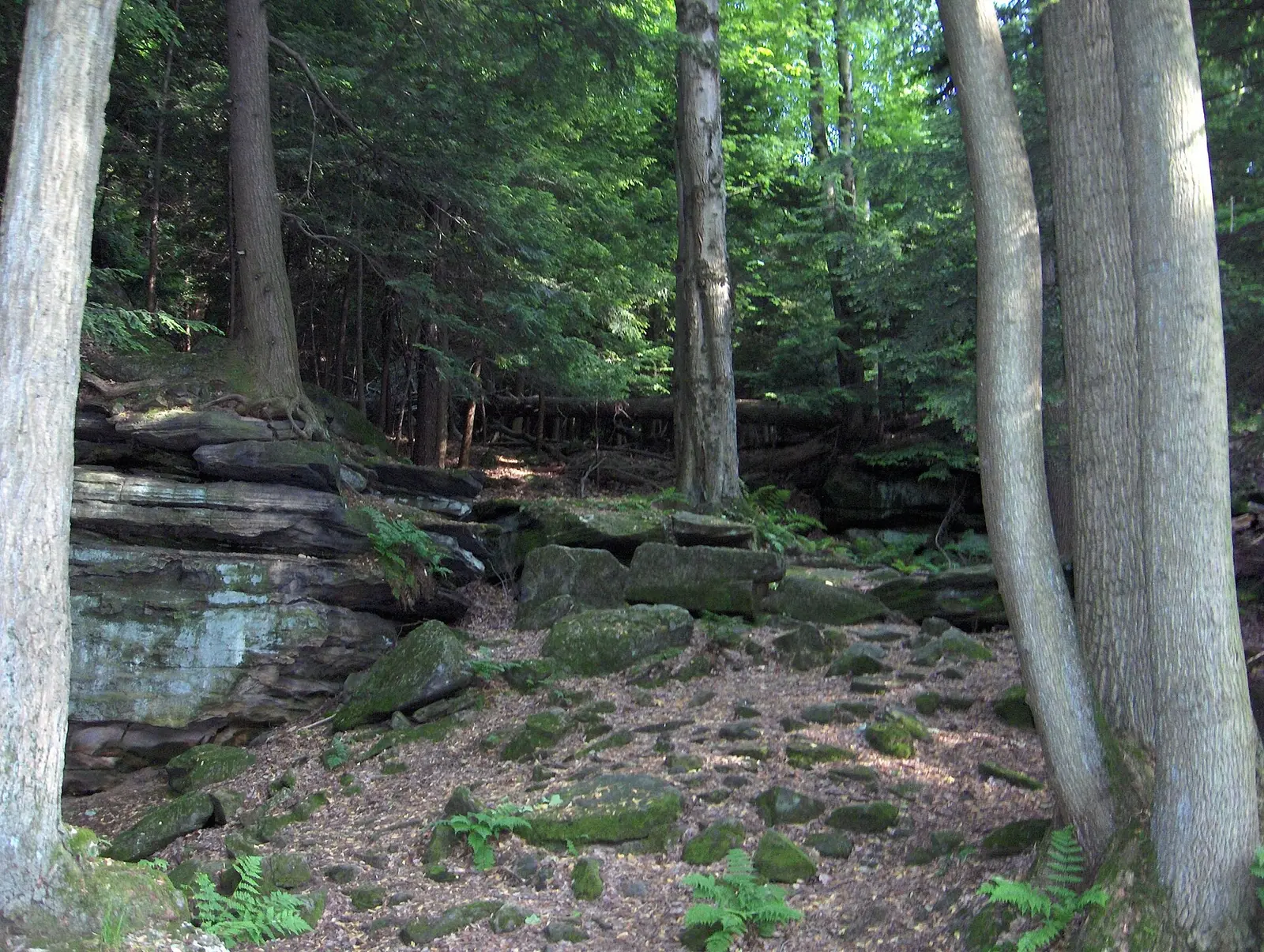
If you live next to woods around Akron, in the Merriman Valley, near the Metro Parks or along the Cuyahoga, many of your mice are probably white-footed or deer mice, not house mice. They're a little bigger, brown on top with clean white bellies and feet and large dark eyes. They move into garages, sheds, campers and cabins in the fall, and unlike house mice they're comfortable in a cold building.
They matter for one more reason. The National Park Service notes that the white-footed mouse is the main hantavirus host in the eastern US, so cleanup should always be done wet.
Where they come from
The Merriman Valley sits at the southern edge of Cuyahoga Valley National Park, and Sand Run, Cascade Valley, Gorge, Goodyear Heights and Munroe Falls Metro Parks put woods next to neighborhoods all around Akron. Hudson has more than 1,000 acres of parkland. Leaf litter, brush and old fields along all of that hold woods mice through the summer.
In fall, they move toward buildings. Homes that back onto the woods, a ravine or a park see them first, usually in the garage, the shed or a lower level that opens onto the yard.
How to tell them from house mice
House mice are gray-brown all over, slimmer, with a scaly tail. White-footed and deer mice have a sharp line between a brown back and a white belly, white feet, big eyes and big ears. Their droppings look about the same as house mouse droppings.
Where you find them is a clue too. House mice push deep into heated living space. Woods mice are more likely to stay in outbuildings, garages, attics over garages, and seasonal cabins and campers.
Not sure if it's rats or mice? You don't have to know. Describe what you're seeing.
Call (330) 300-0969Garages, campers and cabins
The classic woods-mouse call is a spring discovery: a camper, boat, cabin or shed opened after winter with nests in the cushions and droppings everywhere. Stored camping gear, life jackets, patio cushions and grass seed bags are all favorite nesting spots.
Before you go into a building that sat closed all winter, open it up and let it air out for at least 30 minutes, as the CDC advises before any rodent cleanup. Don't sweep or vacuum. Soak droppings and nests with disinfectant or 1 part bleach to 9 parts water, wait, then wipe up with gloves and bag it.
Keeping them out
Woods mice use the same gaps house mice do. The garage door seal and corners, the walkout door sweep, gaps around the AC line and dryer vent, and vents on sheds and crawl spaces are the usual entries. Keep leaves raked away from the foundation through November. Move firewood away from the house and off the ground. Store seed and gear in sealed bins, and hang what you can off the floor.
- Seal the garage door and the door into the house first
- Screen shed and crawl space vents with hardware cloth
- Store camping gear and cushions in sealed plastic bins
- Take bird feeders down or move them well away from the house from October to March
- Check campers and cabins in fall before closing them up
Not sure if it's rats or mice? You don't have to know. Describe what you're seeing.
Call (330) 300-0969One visitor or an ongoing problem?
Homes next to the woods will see the odd mouse no matter what. One mouse in the garage in October, caught in a trap and followed by no fresh droppings, was probably a visitor. Fresh droppings two weeks later, nests in stored gear or droppings inside the house mean there's an open gap and a steady supply. That's when sealing the garage and lower level pays for itself.
Seasonal cabins and second homes
Cabins and seasonal places near the parks are where woods mice do the most damage, because nobody is there to notice for months. Before closing up for the season, take out all food, including sealed snack bags and pet food, and strip beds. Close the chimney damper. Set a few snap traps along the walls. On the first visit back, open the place up and let it air out before you start cleaning, and wear gloves.
When to call
If you're finding droppings in the living space, nests in the attic over the garage or mice in a cabin every spring, the supply next door isn't going to run out. Sealing does most of the work. Rodent exclusion and garage and shed rodents explain the job, and the Merriman Valley page describes what it looks like on a typical wooded lot.
Not sure if it's rats or mice? You don't have to know. Describe what you're seeing.
Call (330) 300-0969Common questions
Do white-footed mice carry hantavirus?
The National Park Service says the white-footed mouse is the main hantavirus host in the eastern US. Clean their droppings wet with gloves and never sweep or vacuum them.
Are deer mice and white-footed mice the same?
They're closely related and look alike. Both have white bellies and feet. The NPS lists the deer mouse as the main host in the western US.
Will woods mice come into my house?
They usually stay in garages and outbuildings, but they will come into the house through the garage or lower level if gaps are open.
How do I protect my camper over the winter?
Remove food and bedding, close vents and openings where you can, set traps inside and check it during winter. Air it out before cleaning in spring.
Do woods mice come inside in summer?
Less often. They spend the warm months outdoors and move toward buildings in the fall, though garages and sheds near the woods can see them any time.